


Solutions to reduce prescription costs
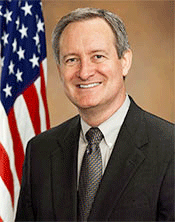
Sen. Mike Crapo
By U.S. Sen. Mike Crapo
R-Idaho
Some of the most life-saving medications remain out of reach for far too many working families and seniors. We must empower consumers, plans, providers and pharmacies to make informed, cost-effective and clinically appropriate decisions. As Senate Finance Committee ranking member, I joined Committee Chair Ron Wyden (D-Oregon) last month in releasing a bipartisan framework for legislative solutions to modernize and enhance federal prescription drug programs, with the goal of reducing drug costs for patients and taxpayers.
Medicare and Medicaid are not living up to their potential of delivering affordable prescription drugs. This is due in large part to the complex and murky arrangements between pharmaceutical manufacturers, health insurance plans and pharmacy benefit managers (PBMs) that have evolved within this system. Federal policy has not kept pace. Simply put, we must shed light on these practices so Idahoans and all consumers can make more informed decisions about their prescription spending and these programs can operate more efficiently for patients and taxpayers.
The problems:
The legislative framework I worked with Chairman Wyden to develop outlines four key challenges currently facing federal prescription drug programs, including:
• Misaligned incentives that drive up prices and costs—The current system incentivizes higher drug prices resulting in higher costs for consumers. For example, higher drug list prices often result in higher compensation for intermediaries, and PBMs are paid these price-based fees both by health plans and the manufacturers with which they negotiate.
• Insufficient transparency that distorts the market—Policymakers and researchers lack an adequate view of this pricing network. But, even more importantly, Americans need clear information for making prescription drug and health coverage decisions.
• Hurdles to pharmacy access—Many independent and regional pharmacies, which are a key part of care in communities across our country, have struggled and been forced to shut their doors leading to gaps for patients.
• Behind-the scenes practices that impede competition and increase costs—Reports have identified a range of practices that appear to drive up out-of-pocket costs for seniors that ultimately increase taxpayer spending. This includes overpayment for certain generic prescriptions that should have more competitive pricing for seniors and the Medicare program.
The start of the solutions:
The legislative framework we put forward identifies potential policy solutions that will address these challenges, including:
• Delinking PBM compensation from drug prices to align incentives for lower costs;
• Enhancing PBM accountability to health plan clients to drive cost-cutting competition and produce better choices for beneficiaries;
• Ensuring discounts negotiated by PBMs produce meaningful savings for seniors;
• Addressing and mitigating practices that unfairly inflate the prices patients and government programs pay for prescription drugs;
• Modernizing Medicare’s “Any Willing Pharmacy” requirements to improve options and access for seniors; and
• Increasing transparency to foster a better understanding of how financial flows across the prescription drug supply chain impact government health care programs.
In weighing and developing policy solutions, my priority is always the patient. A few major points regularly raised – transparency, incentives and out-of-pocket costs – drive my efforts to enact solutions. We need to identify avenues for lowering out-of-pocket costs, increasing competition and promoting access to life-saving innovation – and we need to do so in a fiscally responsible manner. Throughout this process of further refining these and other solutions, I am pressing for policies that make life-saving prescriptions more affordable, and pressing back against policies that add complication and expense.