


National Kidney Week: UC physician presents lifesaving care model globally following partnership with Maysville hospital
Lead Summary
By
Press Release-
This week marks National Kidney Week, and The American Society of Nephrology (ASN) is hosting its annual national conference in Chicago this year Nov. 17 and 18.
Medical professionals around the globe attend the event each year to learn best practices and successful models in treating renal failure from presenting researchers and clinicians. Statistics have shown one in three hospitalized patients either have kidney disease or will develop kidney related complications as a result of an existing acute illness. The chances are high a person will either know someone with the disease in their lifetime or potentially be at risk to develop the disease themselves.
This year, one of the areas of focus is on a successful tele-health model developed by local researchers in Cincinnati to provide lifesaving kidney care for patients in rural areas.
Charuhas Thakar, MD, University of Cincinnati professor of medicine and director of nephrology and kidney care program at UC Health, along with his team ,will present their study: “Tele-nephrology: Delivering Acute Dialysis in Rural Hospitals via Telehealth” to the medical professionals from around the globe.
Presenting the study at the ASN conference provides an opportunity for other healthcare facilities and professionals to implement the successful model nationally. Nationwide, Thakar and his team are being recognized for their work in developing the telemedicine program. The team applied innovative technology and careful planning to effectively remove traditional barriers in order to deliver specialty renal care at rural hospitals.
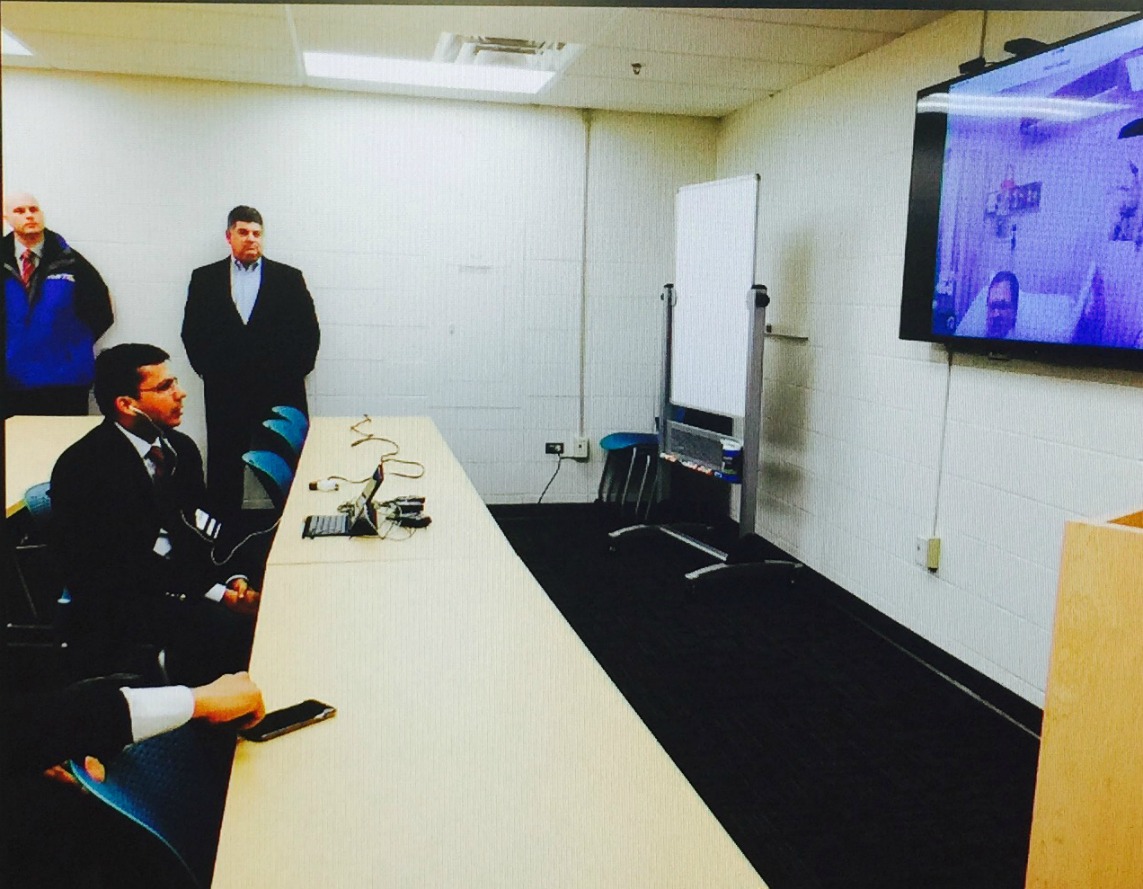
Through tele-nephrology, expert nephrologists could remotely connect via live video feed to assist a licensed technician at the rural hospital to deliver acute care dialysis treatment. The patient could be in one state while being treated by a physician in another. This patient-centered program is now a successful model at UC Health in Cincinnati since it went live in January of this year.
Thakar and his team identified the lack of dialysis providers in rural areas was forcing patients requiring acute care dialysis to be transferred to the nearest larger hospital. In some cases, the facility could be two to three hours away from their home.
More than 38 percent of community hospitals in the US are in rural areas, with 77 percent of them lacking a dialysis facility within their own county. Only a third offer acute dialysis care due to lack of a dialysis and/or renal provider. Should a renal patient seeking care at a rural hospital need to be hospitalized for a few days due to an illness, they might be surprised to learn they would need to be relocated to another facility. This resulted in high transportation costs and an increased amount of stress on the patient their families.
The development of a tele-nephrology program would begin with Thakar conducting a needs assessment focusing on key elements which included technology, dialysis providers, clinical expertise, patient/provider satisfaction and cost savings.
UC Health partnered with Meadowview Regional Hospital in rural Maysville, Ky. The hospital had been transporting patients needing acute care dialysis elsewhere. The only academic health system in the Cincinnati region, UC Health is well-known nationwide for its nephrology outreach and treatment as well as its organ transplant programs which now includes heart transplants.
Thakar wanted to provide rural hospitals with access to UC Health’s expert care around the clock so patients needing acute care dialysis treatments could remain in their local hospital. This model reduces stress on the patients and their families removing barriers to visit with a hospitalized loved one if they had to drive a few hours one way.
“This patient-centered program plans to build a hub-and-spoke model for specialty care, and can be emulated nationally,” Thakar said. “Models need to examine clinical effectiveness and efficiency of tele-medicine in nephrology to reduce the burden of travel to satellite dialysis units for providers, and thus make dialysis available in more proximity to patients.”
The Report to Congress: E-health and Telemedicine U.S. Department of Health and Human Services examined the benefits of telemedicine. Unfortunately, Nephrology was left off this report. Conferences such as these provide research, education, advances and awareness in the field of renal disease. It is an actual model of how a healthcare system can treat a patient where it’s most convenient for them and can be duplicated worldwide.
Medical professionals around the globe attend the event each year to learn best practices and successful models in treating renal failure from presenting researchers and clinicians. Statistics have shown one in three hospitalized patients either have kidney disease or will develop kidney related complications as a result of an existing acute illness. The chances are high a person will either know someone with the disease in their lifetime or potentially be at risk to develop the disease themselves.
This year, one of the areas of focus is on a successful tele-health model developed by local researchers in Cincinnati to provide lifesaving kidney care for patients in rural areas.
Charuhas Thakar, MD, University of Cincinnati professor of medicine and director of nephrology and kidney care program at UC Health, along with his team ,will present their study: “Tele-nephrology: Delivering Acute Dialysis in Rural Hospitals via Telehealth” to the medical professionals from around the globe.
Presenting the study at the ASN conference provides an opportunity for other healthcare facilities and professionals to implement the successful model nationally. Nationwide, Thakar and his team are being recognized for their work in developing the telemedicine program. The team applied innovative technology and careful planning to effectively remove traditional barriers in order to deliver specialty renal care at rural hospitals.
Through tele-nephrology, expert nephrologists could remotely connect via live video feed to assist a licensed technician at the rural hospital to deliver acute care dialysis treatment. The patient could be in one state while being treated by a physician in another. This patient-centered program is now a successful model at UC Health in Cincinnati since it went live in January of this year.
Thakar and his team identified the lack of dialysis providers in rural areas was forcing patients requiring acute care dialysis to be transferred to the nearest larger hospital. In some cases, the facility could be two to three hours away from their home.
More than 38 percent of community hospitals in the US are in rural areas, with 77 percent of them lacking a dialysis facility within their own county. Only a third offer acute dialysis care due to lack of a dialysis and/or renal provider. Should a renal patient seeking care at a rural hospital need to be hospitalized for a few days due to an illness, they might be surprised to learn they would need to be relocated to another facility. This resulted in high transportation costs and an increased amount of stress on the patient their families.
The development of a tele-nephrology program would begin with Thakar conducting a needs assessment focusing on key elements which included technology, dialysis providers, clinical expertise, patient/provider satisfaction and cost savings.
UC Health partnered with Meadowview Regional Hospital in rural Maysville, Ky. The hospital had been transporting patients needing acute care dialysis elsewhere. The only academic health system in the Cincinnati region, UC Health is well-known nationwide for its nephrology outreach and treatment as well as its organ transplant programs which now includes heart transplants.
Thakar wanted to provide rural hospitals with access to UC Health’s expert care around the clock so patients needing acute care dialysis treatments could remain in their local hospital. This model reduces stress on the patients and their families removing barriers to visit with a hospitalized loved one if they had to drive a few hours one way.
“This patient-centered program plans to build a hub-and-spoke model for specialty care, and can be emulated nationally,” Thakar said. “Models need to examine clinical effectiveness and efficiency of tele-medicine in nephrology to reduce the burden of travel to satellite dialysis units for providers, and thus make dialysis available in more proximity to patients.”
The Report to Congress: E-health and Telemedicine U.S. Department of Health and Human Services examined the benefits of telemedicine. Unfortunately, Nephrology was left off this report. Conferences such as these provide research, education, advances and awareness in the field of renal disease. It is an actual model of how a healthcare system can treat a patient where it’s most convenient for them and can be duplicated worldwide.